A personal blog is a website where one person publishes blog posts about experiences, ideas, or knowledge from everyday life. Many personal blog website examples show how a niche shapes content. For example, Backpacker Banter focuses on travel and adventure, while Love that Max covers parenting along with disability advocacy. Design for Mankind, as the name tells us, focuses more on reflections about modern design trends.
This article talks about the 10 most successful personal blogs you can draw inspiration from in 2026, along with practical advice on how to make your own blog successful. If you're trying to balance school assignments with your blog posts, our paper writers can keep you from getting overwhelmed.
What Is a Personal Blog?
A personal blog is a website where someone writes about their life, thoughts, and interests in their own voice. Unlike professional or corporate blogs, personal blogs focus on self-expression and storytelling. That’s the definition.
But behind it is something more personal, a kind of digital mirror and a space that grows with you. For students, a personal blog can be both an outlet and a compass. It’s a way to process what’s happening around you and build something that’s completely yours. And somewhere out there, someone might be reading it, thinking, Finally, someone gets it.


Essay Stuck Halfway?
EssayService helps turn scattered notes into structured writing when deadlines keep moving closer.
10 Best Personal Blog Examples in 2026
The blogs below illustrate how a personal blog can evolve into a recognizable online presence. Each site reflects a specific voice, niche, and structure. These personal blog examples for students and aspiring writers show how real blogs build loyal audiences over time.
- A Cup of Jo
- The Everywhereist
- Design for Mankind
- Young Adventuress
- Backpacker Banter
- PaulStamatiou.com
- ciechanow.ski
- Marco.fyi
- Pretty Handy Girl
- Love that Max
1. Lifestyle Blog: A Cup of Jo
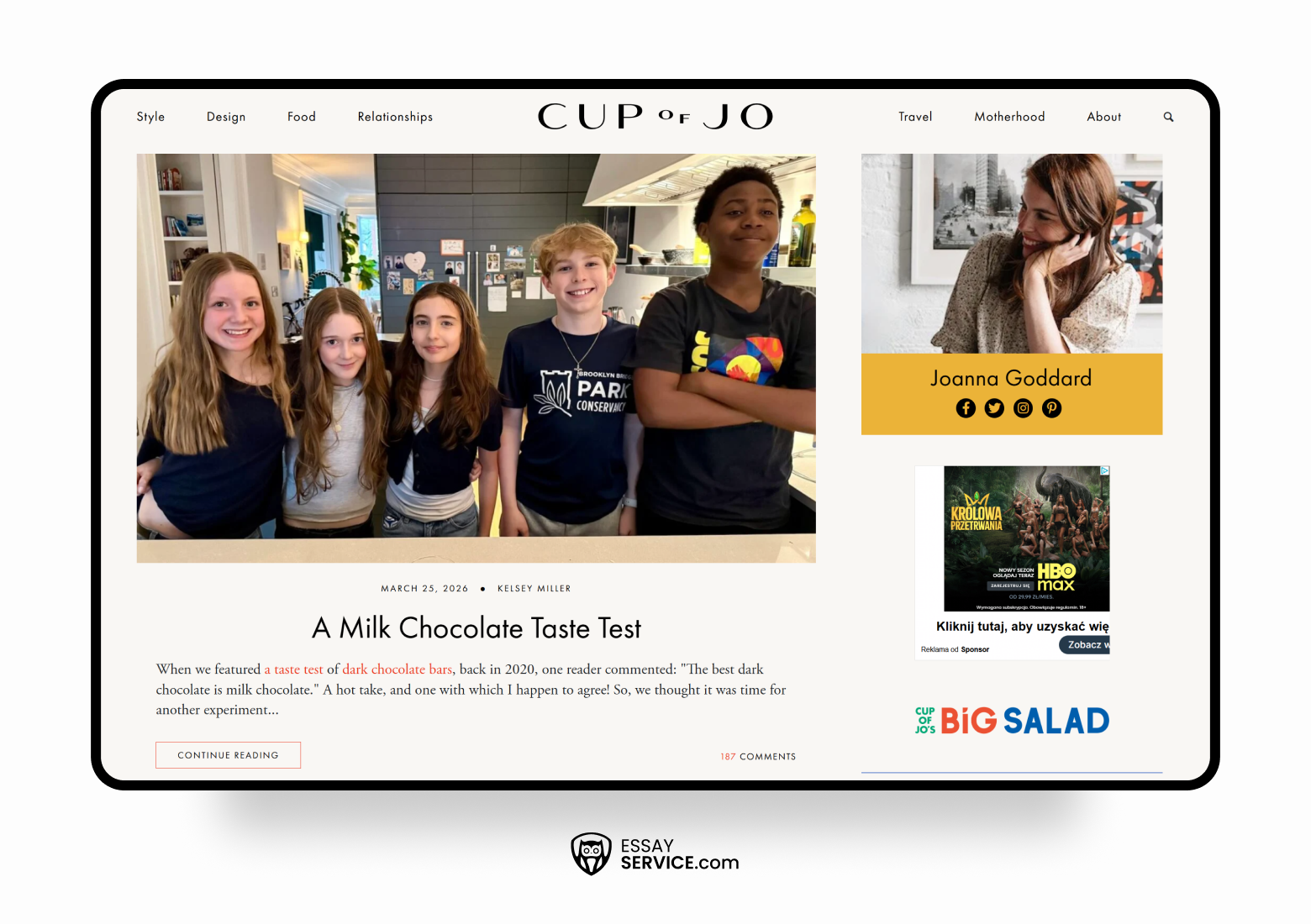
A Cup of Jo is a lifestyle personal blog created by Joanna Goddard in 2007. It grew into one of the most widely read lifestyle blogs online. The blog covers relationships, parenting, culture, and everyday personal life. Many blog posts start with a simple moment or question, then expand into a clear idea. The writing style stays relaxed and reflective. The structure mixes short essays, interviews, and reader discussions. The design uses clean layouts and readable typography, so blog post pages are easy to follow. Media mentions support strong traffic. Comment sections often include hundreds of responses.
Key patterns:
- Clear lifestyle niche tied to family and culture.
- Consistent voice that feels natural.
- Strong reader interaction that supports authenticity.
2. Travel Blog: The Everywhereist
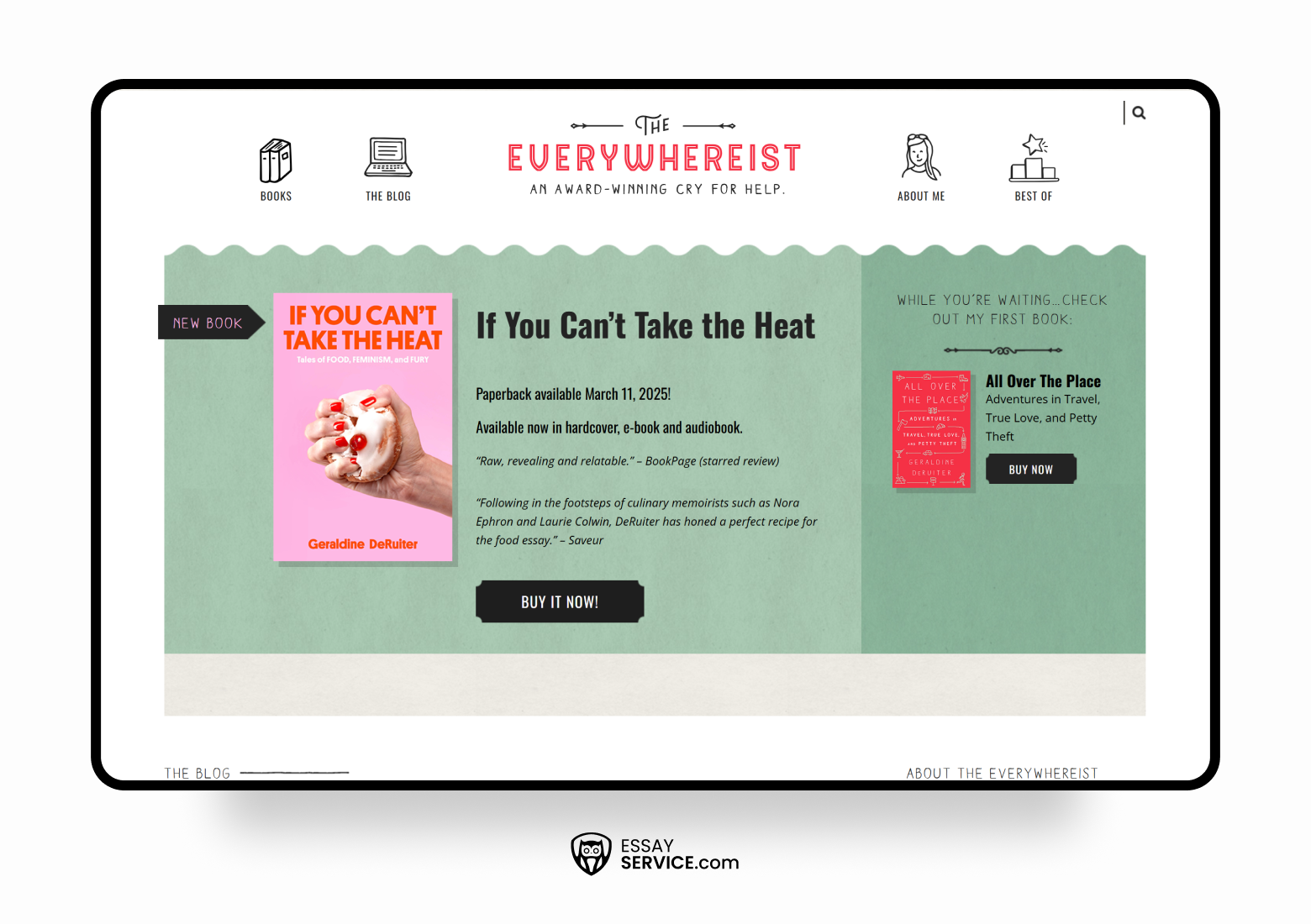
The Everywhereist is a travel personal blog example created by writer Geraldine DeRuiter. The blog gained wide attention after several long-form essays were spread across social media and received coverage from major publications. Readers often arrive through shared links and stay because the writing has a strong personal voice. The content focuses on travel experiences, cultural observations, and stories drawn from daily encounters around the world.
The writing style uses narrative storytelling with humor and detailed reflection. The structure relies on long essay-style posts instead of short guides. The design stays simple and highlights writing and photography. Several posts gained strong visibility through social media sharing. The niche centers on personal travel storytelling. The voice is witty, direct, and observational, while honest travel moments support authenticity.
3. Engineering Blog: ciechanow.ski
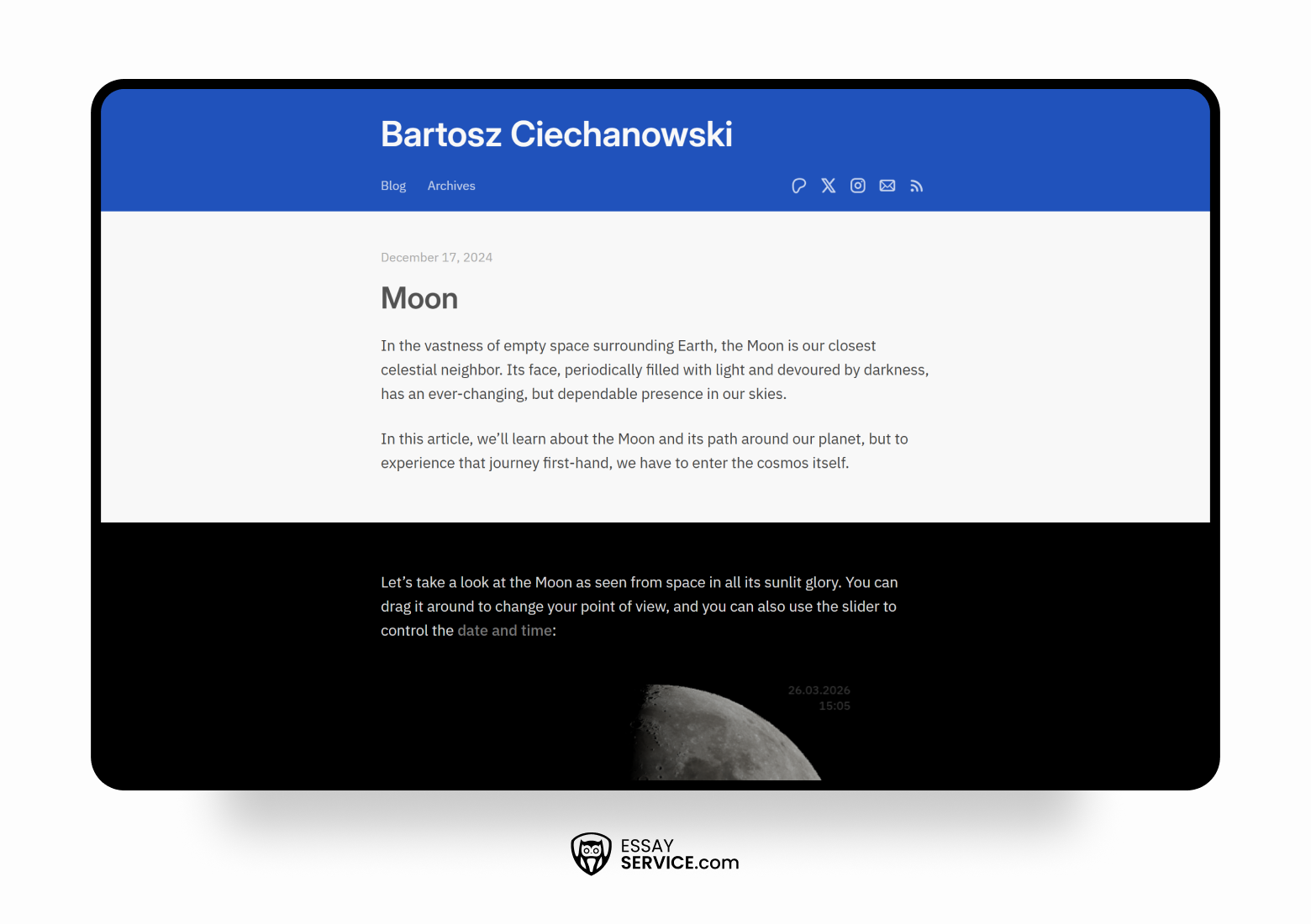
Ciechanow.ski is a personal blog written by engineer Bartosz Ciechanowski. The site publishes in-depth technical articles that explain topics such as physics, mechanics, and computer graphics. Each article combines detailed explanations with interactive diagrams and animations that allow readers to test ideas directly on the page.
Several features define how the blog works:
- Precise writing style supported by clear technical reasoning.
- Long, step-by-step educational structure.
- Interactive design built into blog post pages.
Articles often circulate widely in programming and engineering communities, which supports strong traffic. The niche focuses on engineering, physics, and technical visualization. The voice remains educational and methodical, while carefully built demonstrations reinforce authenticity.
4. Travel Blog: Young Adventuress
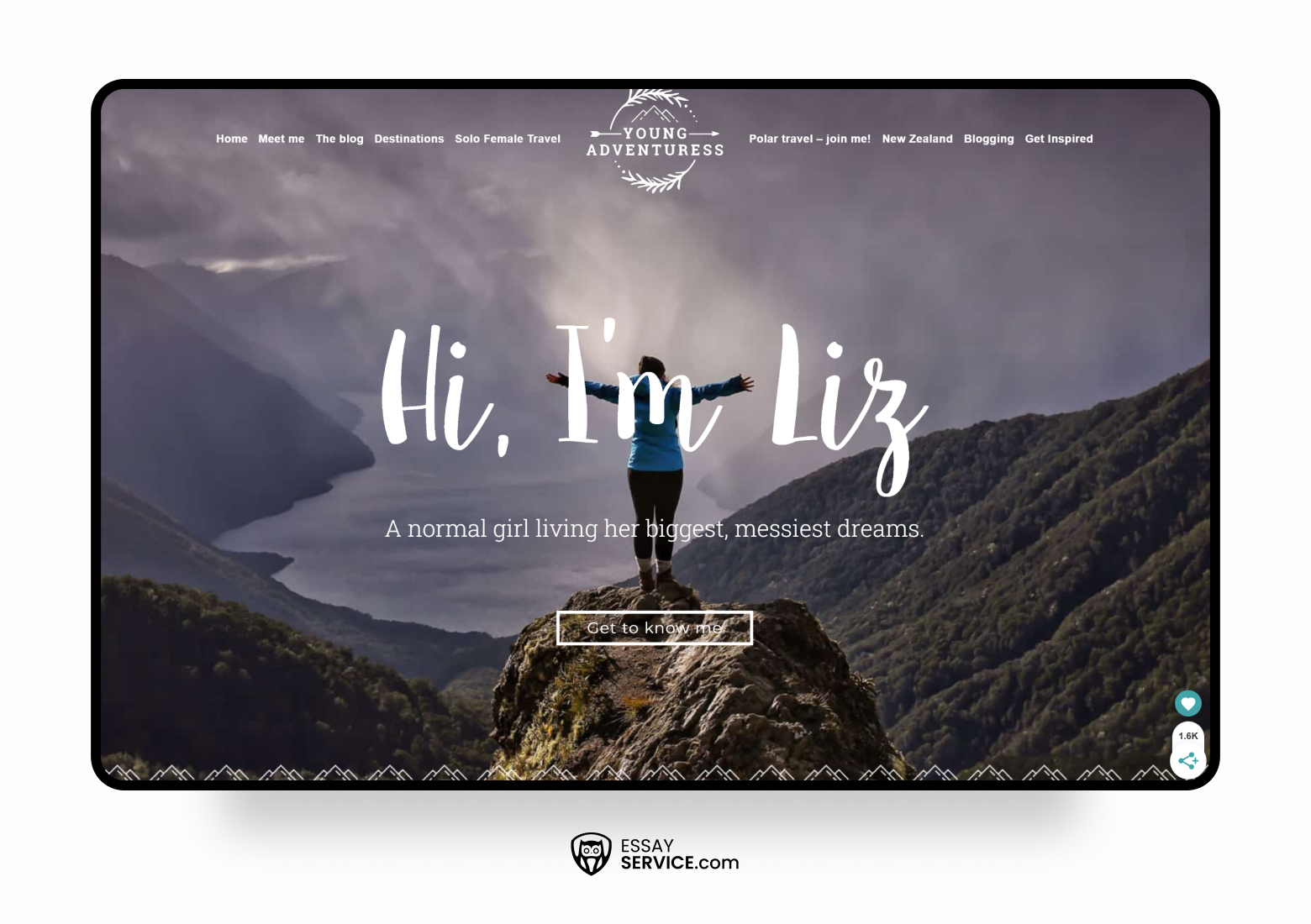
Young Adventuress started in 2010 when Liz Carlson began documenting her life abroad. The personal blog focuses on solo travel, cultural observations, and outdoor adventures shaped by years spent living in different countries. Posts often begin with a specific moment during a trip, then expand into reflections about a place, a challenge, or a lesson learned over time. The writing uses descriptive storytelling rooted in real travel experiences.
The structure favors long narrative posts supported by photography and occasional guides. The design highlights strong visuals and long-form content. The blog is widely recognized in travel communities and cited in travel media, which supports steady traffic. The niche centers on solo travel and cultural immersion. The voice feels adventurous and reflective, while honest stories strengthen authenticity.
5. Technology Blog: Marco.fyi
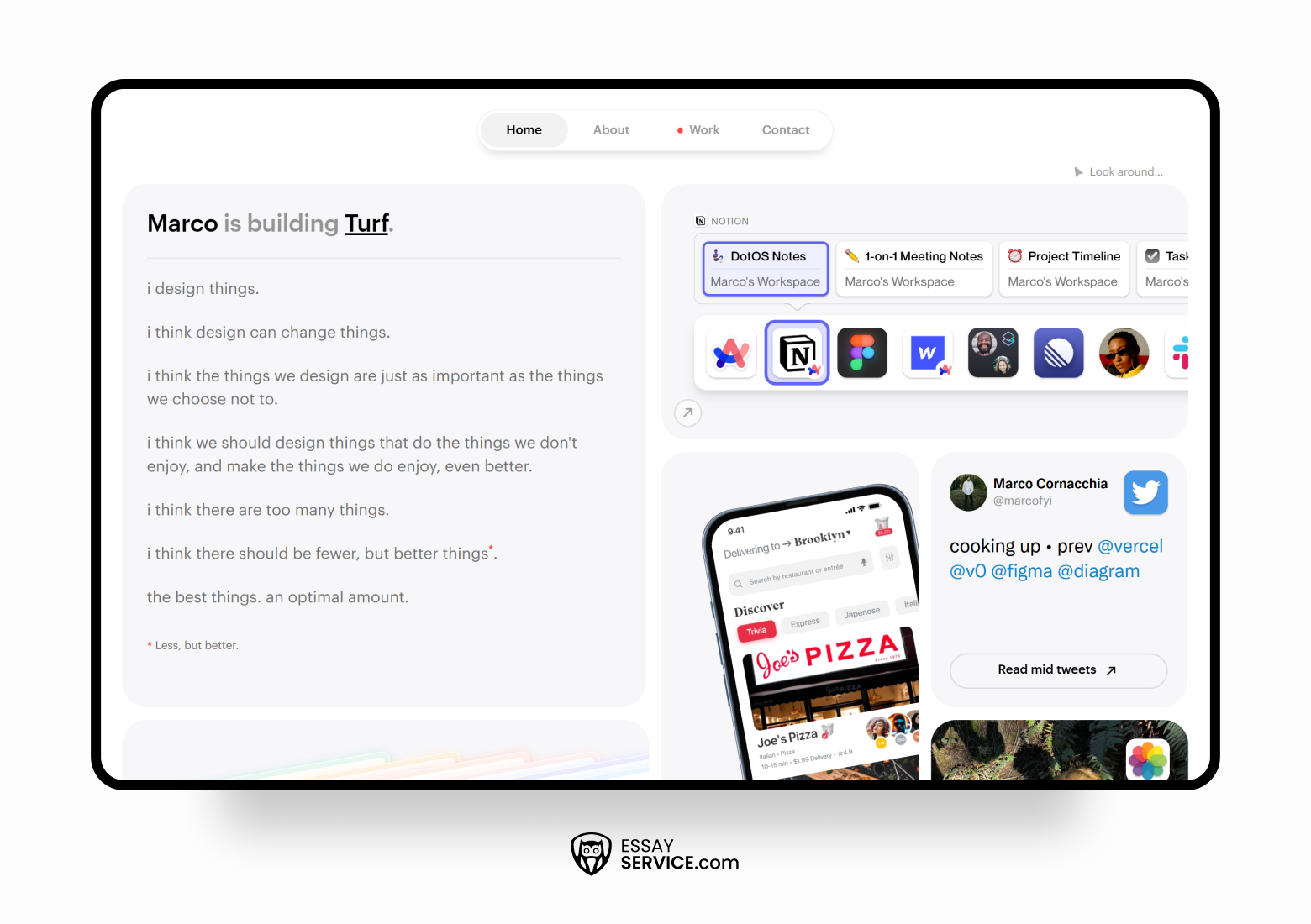
Marco.fyi is an example of a personal blog written by developer and podcaster Marco Arment, known for creating Instapaper and co-founding Tumblr. The site shares short essays about software development, technology products, and the digital industry. Articles focus on app design, product decisions, and developer culture, drawing on years of hands-on experience building software. The writing stays concise and opinion-driven. The structure follows short posts arranged over time. The design is simple and easy to read. The author’s reputation in tech circles brings steady traffic. The niche centers on software and product thinking. The voice feels direct and grounded. The content reflects real experience, which adds authenticity.
6. DIY Blog: Pretty Handy Girl
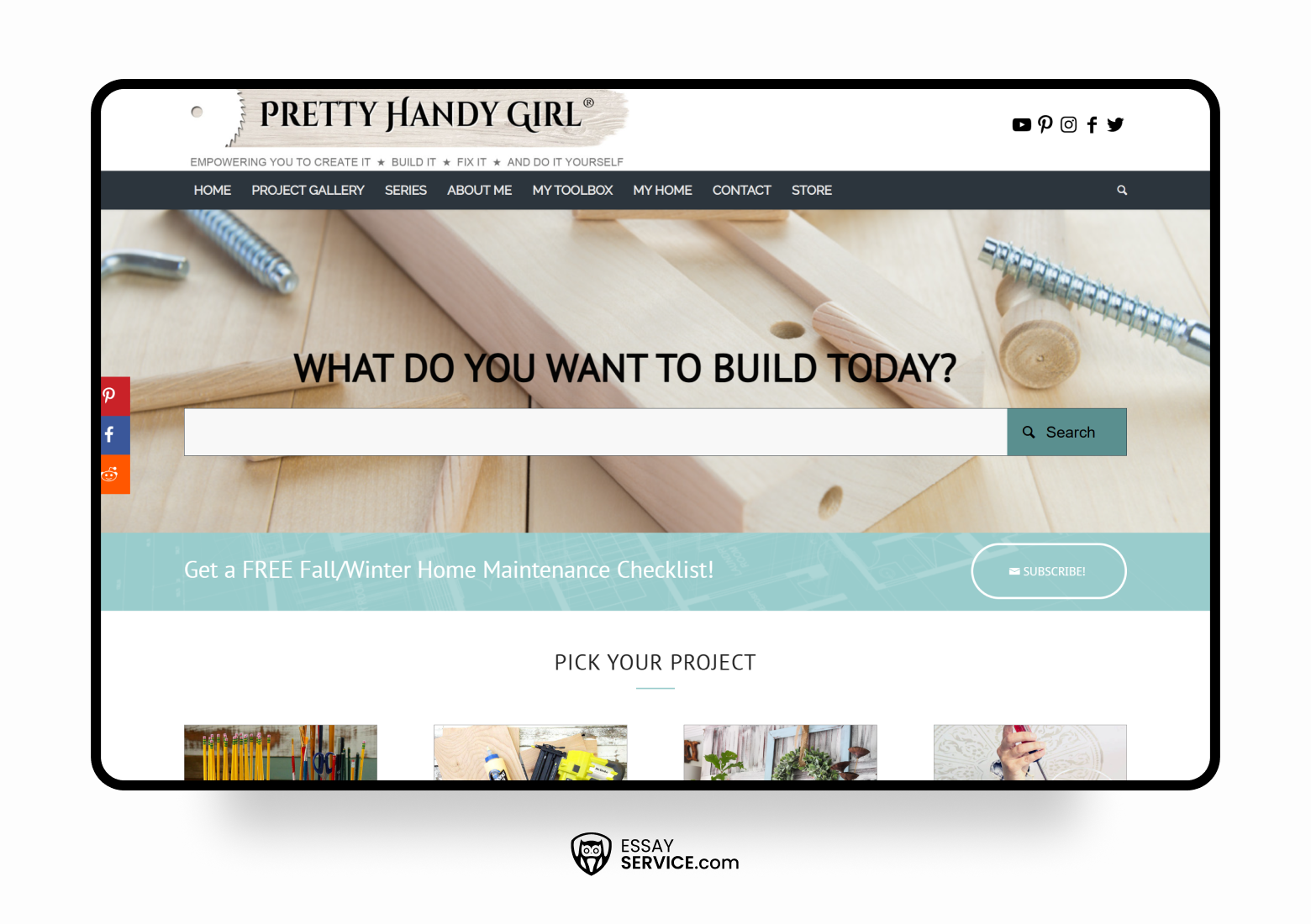
Pretty Handy Girl is a DIY and home improvement personal blog created by Brittany Bailey, a licensed contractor. The blog shares renovation tutorials, woodworking guides, and repair projects aimed at homeowners. Posts include:
- Step-by-step instructions
- Tool lists
- Material costs
- Photos showing work stages
Topics cover furniture building, wall repairs, home upgrades, and practical construction techniques used in real projects. The writing stays clear and instructional, supported by detailed explanations. The structure follows step-by-step tutorials with photos. The design focuses on process images across blog post pages. The blog has strong visibility among DIY readers. Tutorials come from real work, which supports authenticity.
7. Technology Blog: PaulStamatiou.com
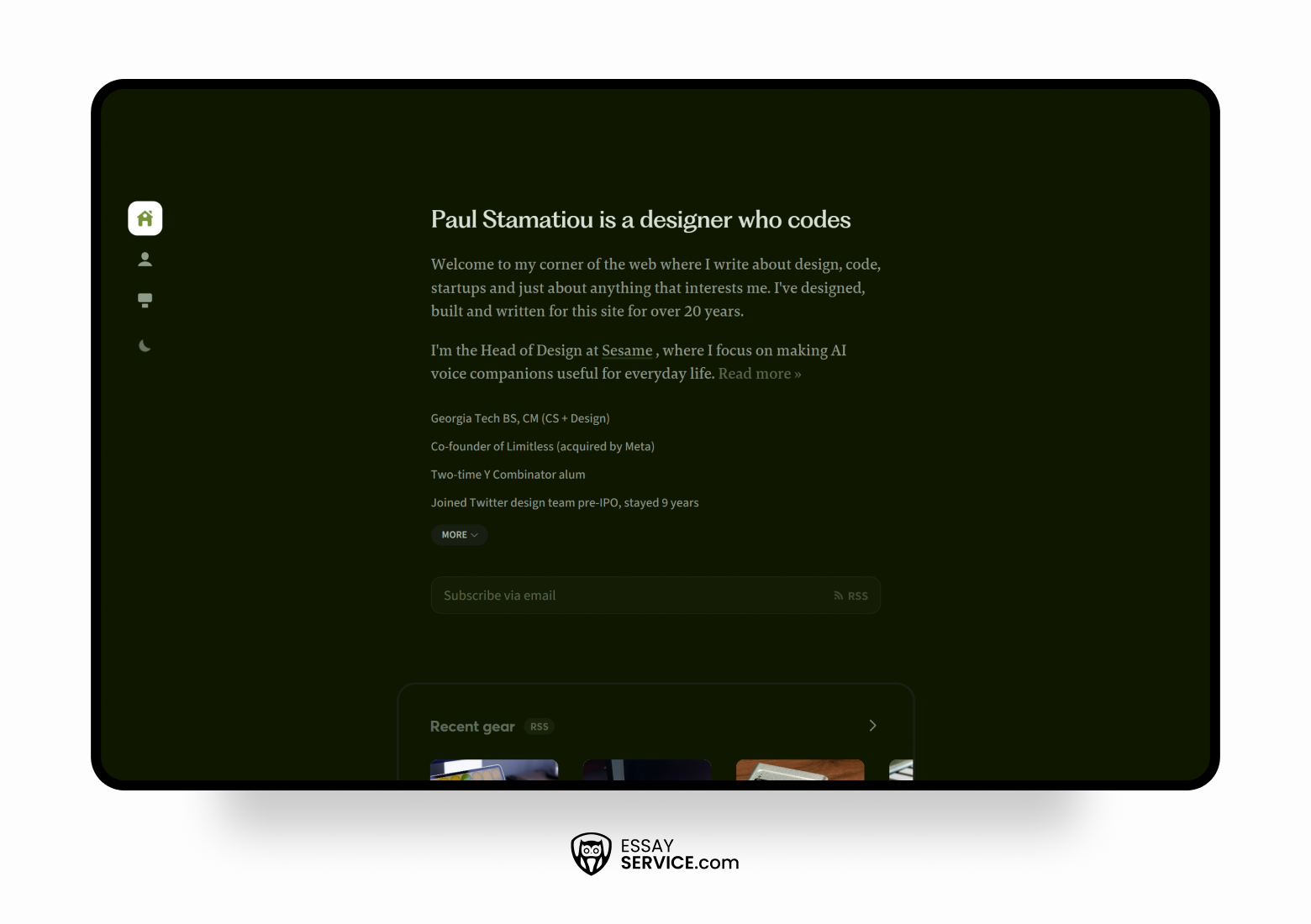
PaulStamatiou.com is Paul Stamatiou’s example of personal blog, where he writes about tech, photography, and the tools he actually uses in his work. You can tell the posts come from real use, not quick impressions. He takes one device or setup and goes deep, sometimes for thousands of words, with photos and detailed notes along the way. The layout stays simple, so nothing distracts from the content. People in tech and design circles follow the blog because of that depth. The tone stays calm and focused. It reads like someone thinking through their process, not trying to impress.
8. Parenting Blog: Love That Max
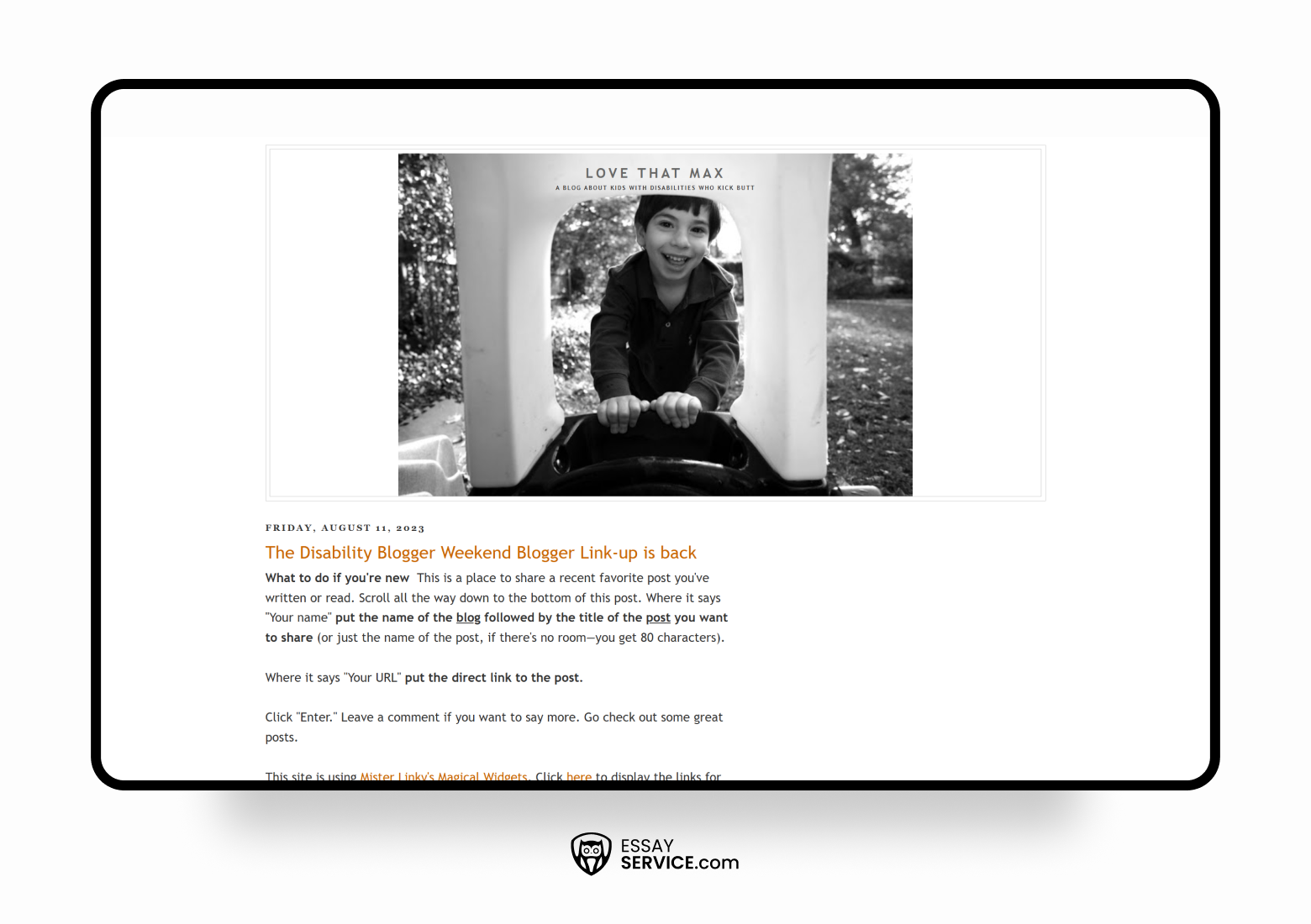
Love That Max is a parenting personal blog sample created by Ellen Seidman, a former magazine editor. She writes about raising her son Max, who has cerebral palsy, and covers disability advocacy, school access, therapy, and day-to-day family life. Posts often move between personal stories and practical advice, especially around navigating medical systems and education.
The writing stays close to lived experience. Nothing feels abstract. Most entries take the form of reflective essays, sometimes built around a single moment that opens into a broader issue. The layout is simple, almost plain, which keeps attention on the words. The blog is widely cited in parenting and disability advocacy spaces. That visibility comes from the subject matter, but also from the fact that it’s told in a direct and personal way.
9. Travel Blog: Backpacker Banter
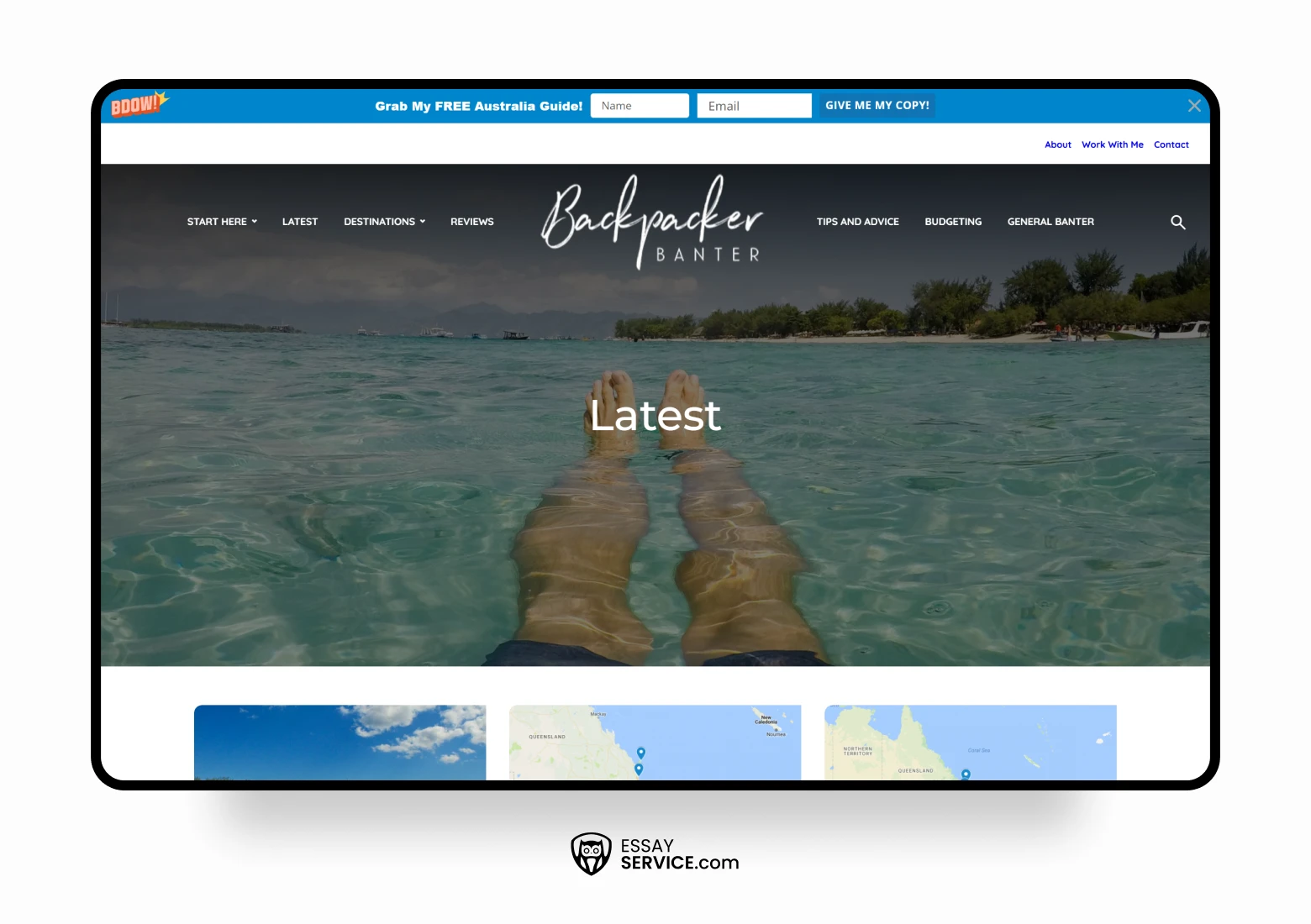
Backpacker Banter is a travel personal blog by Australian traveler Christianne Risman. It follows her long-term trips across places like Iceland, New Zealand, and Southeast Asia. Posts cover hiking, outdoor experiences, and useful travel tips. Many articles mix personal stories with advice on packing, budgeting, and planning.
The writing feels casual and easy to follow. Some posts read like travel guides, others like stories from the road. The blog uses bright photos to show places and activities. It grew through travel communities and social media, which brings steady traffic. The focus stays on backpacking and adventure travel. The tone is energetic and friendly. Real travel moments, including delays and surprises, make the content feel honest.
That approach shows up clearly in the content:
- personal stories mixed with practical travel advice
- focus on outdoor travel and backpacking experiences
- simple, direct tone that feels easy to read
10. Lifestyle & Design Blog: Design for Mankind
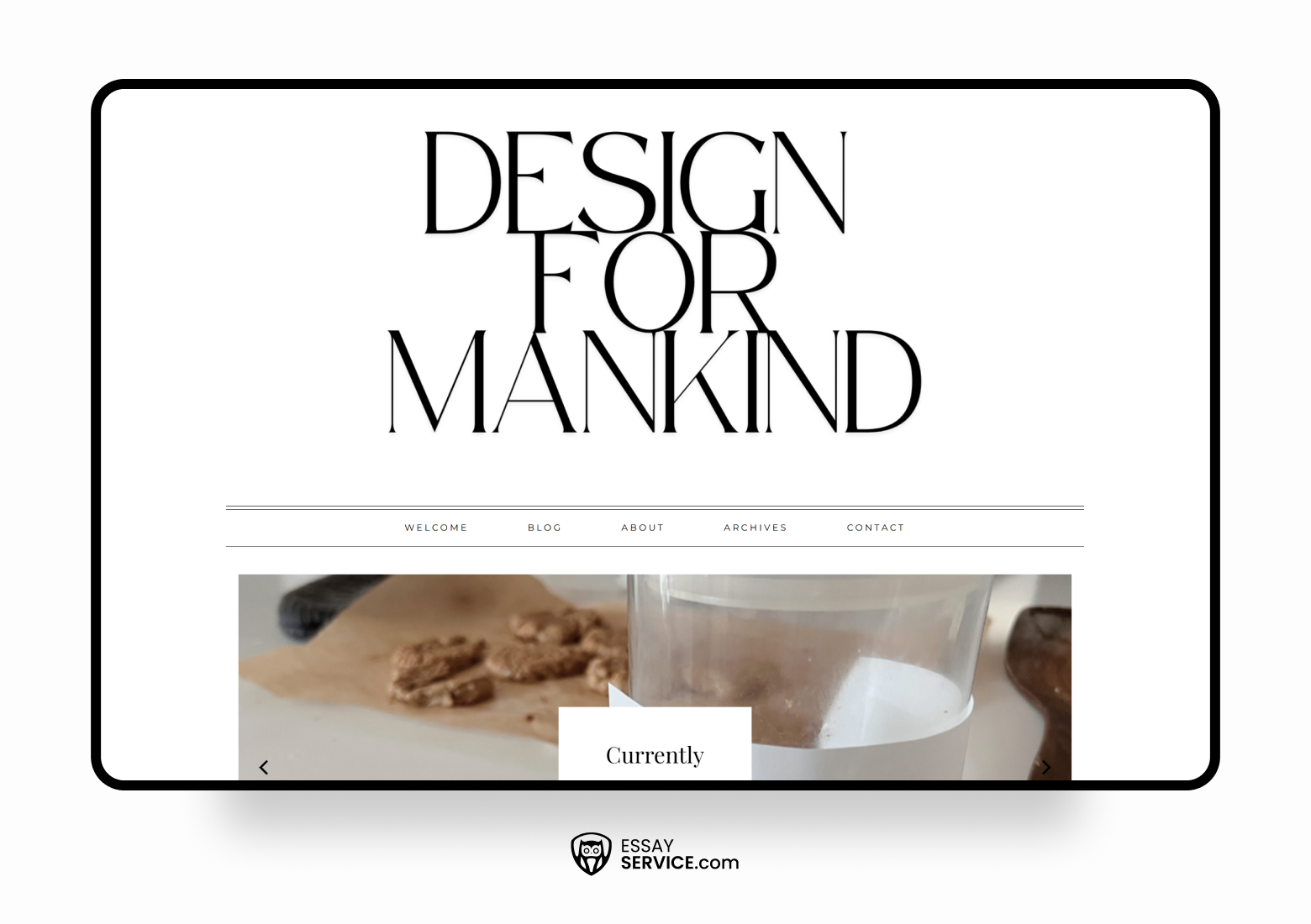
Design for Mankind is a sample of personal blog created by writer and designer Erin Loechner. It sits in the lifestyle space, but the focus stays on creativity, family life, and design. Many posts look at home routines, motherhood, and creative work, then connect those ideas to broader reflections on culture and everyday living. Over time, the blog developed a recognizable voice that feels calm, thoughtful, and slightly introspective.
The writing leans toward reflective essays shaped by personal experience rather than quick updates. Posts are usually longer and often sit alongside curated lifestyle content and visual storytelling. The design stays minimal, with balanced layouts and carefully styled photography that support the content instead of distracting from it. The blog is recognized in design and lifestyle media and appears often in creative blogging circles, which supports steady traffic.
What We Learn from Successful Personal Blogs
The best personal blogs have a clear direction, maintain a recognizable voice, and keep readers returning through thoughtful content. The practices below show how content creators build successful blogs:
- Choose a clear niche: Before you start personal blog, decide what it will focus on. Travel, fitness, or personal finance blogs give readers a clear expectation and help search engines classify the content.
- Develop a recognizable voice: Write in a tone that reflects real experience and personality. Readers return to a personal blog when the writing feels consistent and identifiable.
- Build posts around stories: Structure blog posts around real situations, observations, or lessons. Narrative writing keeps readers engaged and makes ideas easier to remember.
- Maintain a steady publishing rhythm: Add new blog posts regularly. Search engines track activity, and readers notice when a blog stays active.
- Pay attention to visual structure: Clean blog design, readable typography, and strong images make a blogging platform easier to follow.
- Create space for reader interaction: Comment sections, social media discussions, and other communication channels help a blog grow a supportive community.
- Improve search visibility: Keyword research and basic search engine optimization help blog posts appear in search results.
- Deliver practical value: Educational content and practical advice give readers a reason to return and recommend the blog.
Why You Should Start a Personal Blog
Starting a personal blog is a smart, low-pressure way to put your ideas somewhere useful, and maybe learn a few things in the process. Here’s why it makes sense, especially if you’re a student figuring things out:
- You need a place to practice. Writing gets easier the more you do it. A personal blog is your space to build that skill, test out topics, and get more comfortable sharing your ideas.
- It’s a solid addition to your resume. Personal blog sites let you show actual work, whether it’s writing, coding, photography, design, and more. You’re not just saying what you can do. You’re showing it.
- You start building a digital presence. Even if you don’t care about followers, having your name tied to consistent, thoughtful content helps. It gives people something to find when they Google you.
- You don’t need anything fancy. No big setup. No expensive tools. Most personal blog sites are free or cheap to run. You can start with whatever time and tools you already have.
- You’re in control of the content. No social media trends, no word limits, no approval needed. Just you deciding what to post and when.
The Final Words
If you’re thinking about starting a personal blog or are just curious about how others do it, here are the key takeaways:
- A personal blog is a space where you write in your own voice about topics that matter most to you
- It can help you improve your writing, build a loyal audience, or maybe even grow into something bigger
- Some people write daily, others post when they can; there’s no one right way to blog
- There’s a space for every area of interest
And if you ever get stuck on the writing part, we’ve got you. You can always pay someone to write your paper on EssayService. We’re here to make sure your writing gets where it needs to go.
Draft Going Nowhere?
Connect with one of our professional writers and let us help you form arguments.
Frequently Asked Questions
What Is a Personal Blog?
Do People Still Write Personal Blogs?
What Do You Write in a Personal Blog?
What Should a Personal Blog Include?
How to Write a Personal Blog?

Essie isn’t just an educator with a Bachelor’s in English: she’s passionate about writing. She uses her experience in grading papers to write comprehensive guides for our blog.
- How to write an engaging blog. (2024, October 8). The University of Edinburgh. https://information-services.ed.ac.uk/learning-technology/learning-and-teaching-technologies/academic-blogging-service/introduction-to-5
- How to Write a Blog Post in 10 Steps - 2024 - MasterClass. (2020). MasterClass. https://www.masterclass.com/articles/how-to-write-a-blog-post

New posts to your inbox
Your submission has been received!