Don’t want to settle for anything less than a top 10 university in Asia? That’s understandable. Luckily, you don’t have to rely on guesswork to pick out the best of the best on the continent — the good folks from the Times Higher Education (THE) already did it for you.
You might already know about its World University Rankings, but the organization also publishes regional rankings alongside global ones. Let’s explore the 10 universities that ranked the highest among 929 universities in 36 countries and territories in Asia.
1. Tsinghua University
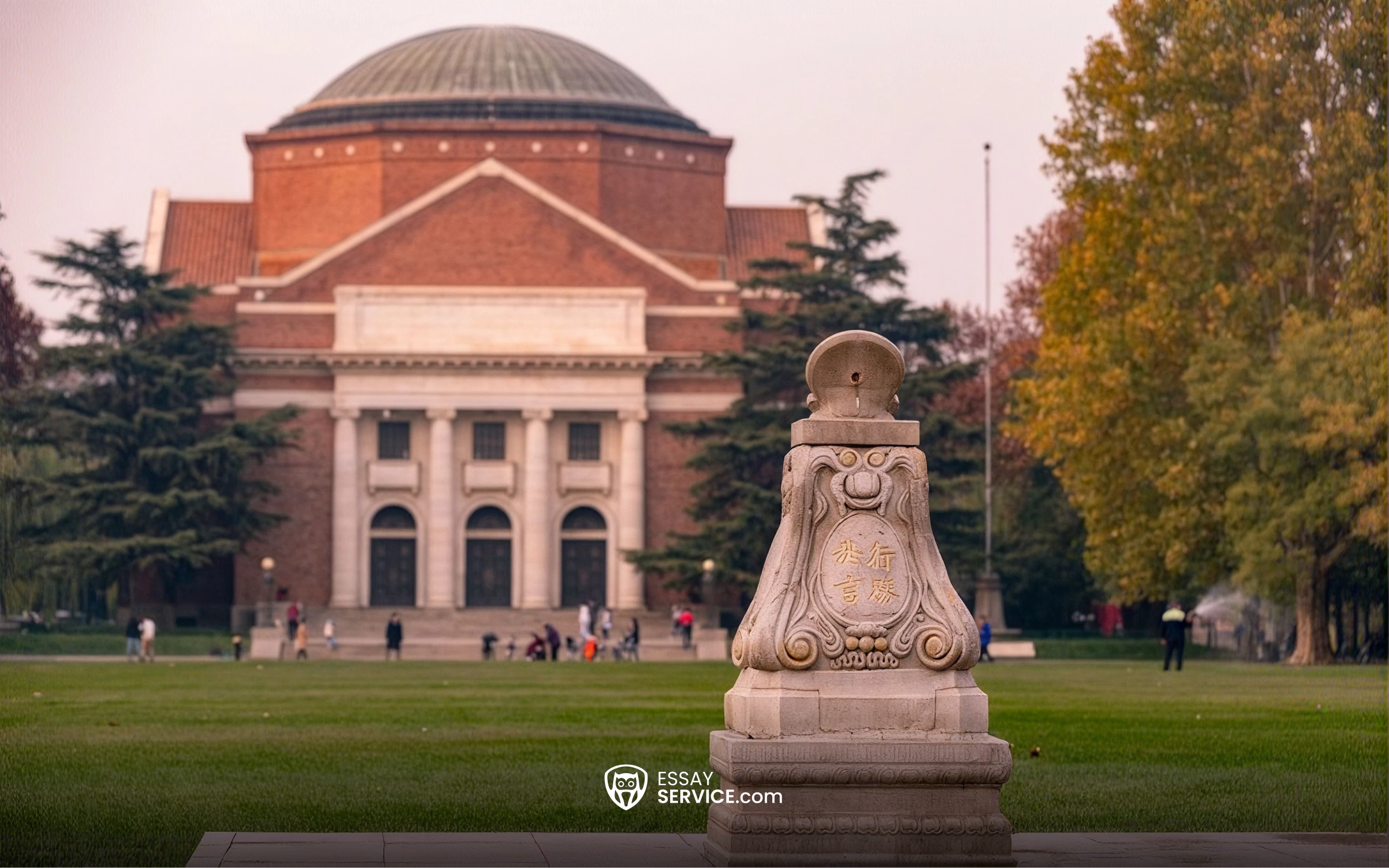
Location: Beijing, China
Total students: 38,569
International student percentage: 11%
Tsinghua University is one of the most competitive schools in China, whether you’re an aspiring undergrad or pursuing a graduate degree. But you should still throw your hat in the race: the university offers cutting-edge programs and research opportunities across its 33 schools and 54 departments. Graduates and postgraduates account for the lion’s share of the student body.
Key strengths:
- Unparalleled research potential with 300+ research institutions part of the university
- World’s leading programs in artificial intelligence, chemistry, computer science, engineering, environmental sciences, and materials science
- 30+ English-degree master’s and doctorate programs across public policy, global affairs, and engineering
2. Peking University
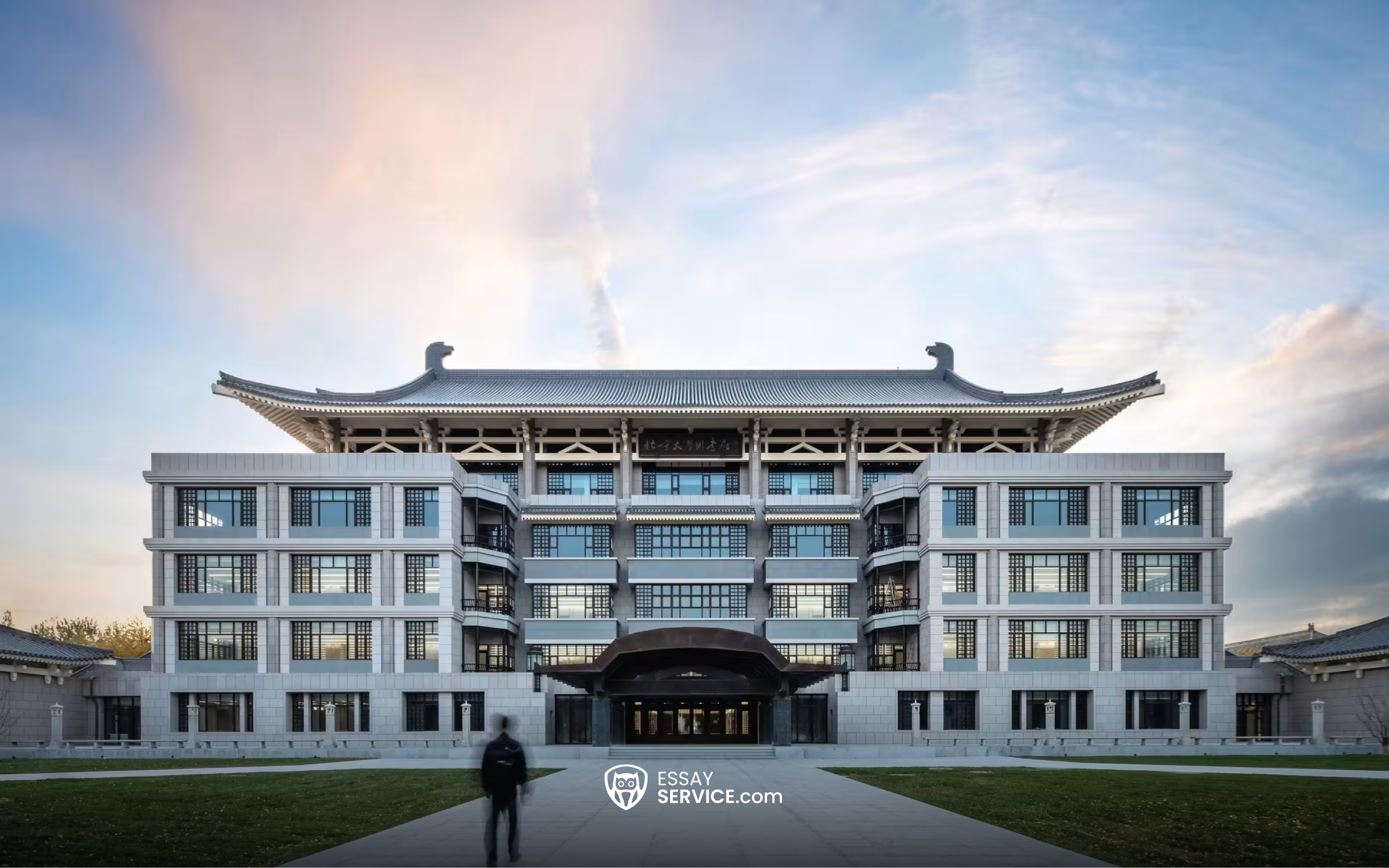
Location: Haidian District, Beijing, China
Total students: 35,659
International student percentage: 15%
Peking University is Tsinghua’s main rival in Beijing, and it’s the second-oldest university in the country. Today, it’s a public university with 30 colleges and 12 departments, with programs focused primarily on basic and applied sciences. It’s also a research powerhouse, thanks to its 216 research institutes and centers.
Key strengths:
- Strong programs in environmental sciences, materials science, and chemistry
- Both the Chinese government and the university offer a wide selection of scholarships
- Numerous international academic and exchange programs in partnership with institutions abroad
3. National University of Singapore
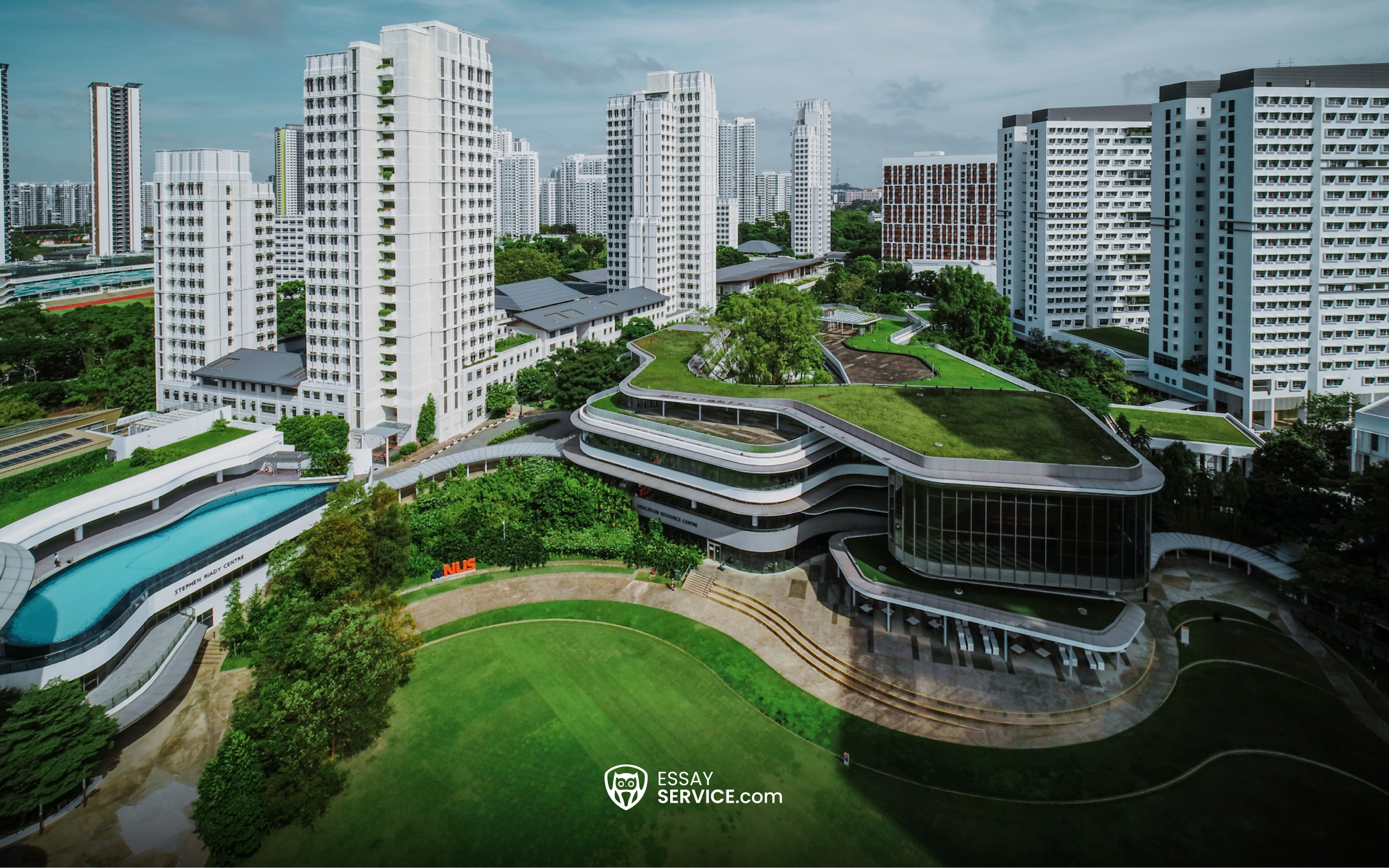
Location: Clementi, Singapore
Total students: 35,558
International student percentage: 31%
Created through a merger of two universities in 1980, the National University of Singapore is the city-state’s top university and research hub. It comprises 15 colleges, faculties, and schools that offer programs in domains like arts, computing, science, and engineering. What makes it stand out, however, is its diverse international student community — and an active campus life thanks to its 200+ student associations.
Key strengths:
- Bond-free scholarships (tuition covered + annual living allowance) for students with outstanding achievements and talents
- 70+ joint, concurrent and double degree programs in partnership with universities abroad
- Three modern campuses that can make the cost of living manageable despite Singapore being the most expensive city in the world
4. Nanyang Technological University (NTU)
.webp)
Location: Singapore
Total students: 25,859
International student percentage: 31%
Another public university of Singapore, the NTU boasts the world’s second-best AI and engineering programs. But the university is also known for putting cutting-edge research into practice on its innovative, sustainable campus. There, you’ll find smart carparks, autonomous buses, and tech-driven classrooms.
Key strengths:
- Smart, eco-friendly campus and state-of-the-art buildings for tech-enabled learning
- Partnerships with leading companies like HP and Volvo for research and development
- One of the world’s best AI, engineering, and biomedical programs
5. The University of Tokyo
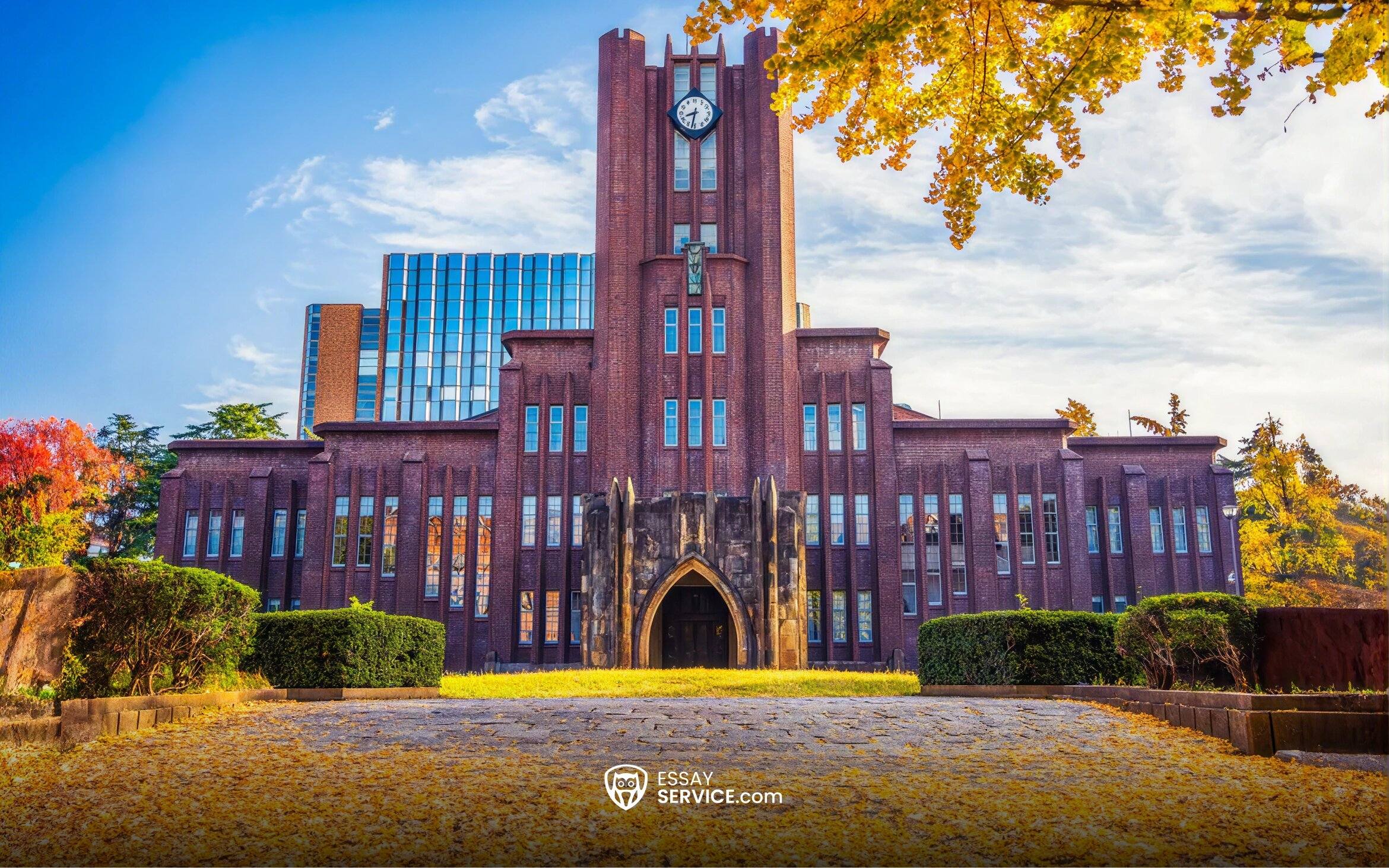
Location: Tokyo, Japan
Total students: 26,298
International student percentage: 18%
The University of Tokyo — which you may know as Todai or UTokyo — is Japan’s highest-ranking research university. Its alumni network spans 17 prime ministers of Japan, 20 Nobel Prize winners, and even CEOs of companies like Toyota and Hitachi. Although it’s usually cited for its strong science programs, the university doesn’t lag behind in other domains (medicine, law, economics, etc.).
Key strengths:
- No difference between tuition fees for domestic and international students
- Three campuses and multiple facilities across Japan
- Two years of liberal arts courses followed by two years of specialized courses in undergraduate programs
6. University of Hong Kong
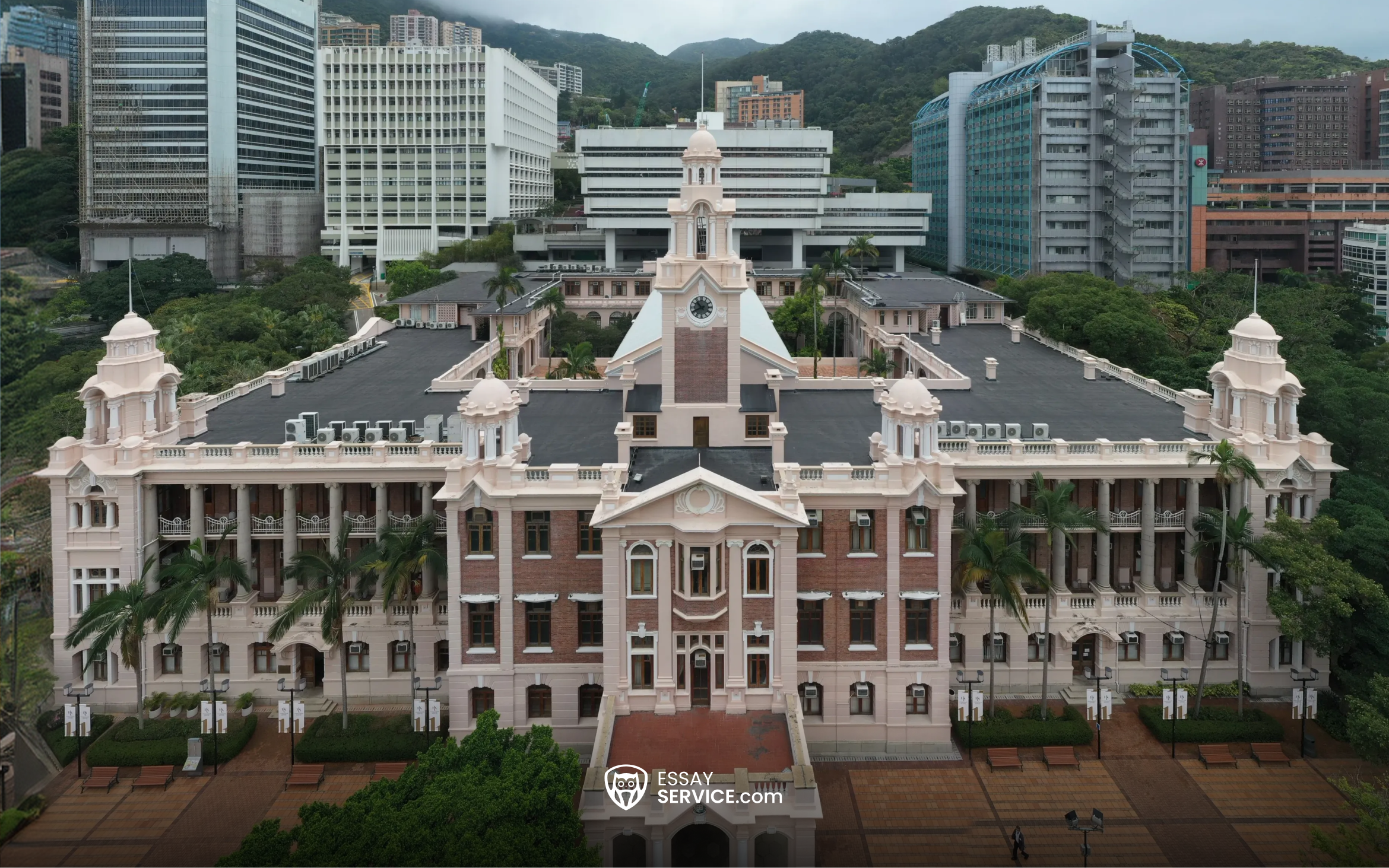
Location: Pokfulam, Hong Kong
Total students: 17,668
International student percentage: 48%
The University of Hong Kong is Hong Kong’s oldest university, and over half of its student body comes from abroad. That translates into a multicultural, diverse campus. Plus, English is an official language in Hong Kong alongside Chinese, which means English is the default medium of instruction at this university.
Key strengths:
- One of the most international universities in the world — over 50% of students come from abroad
- Diverse set of undergraduate, graduate, and post-graduate programs across 10 faculties, from arts and dentistry to medicine and law
- English as the primary language of instruction
7. Fudan University
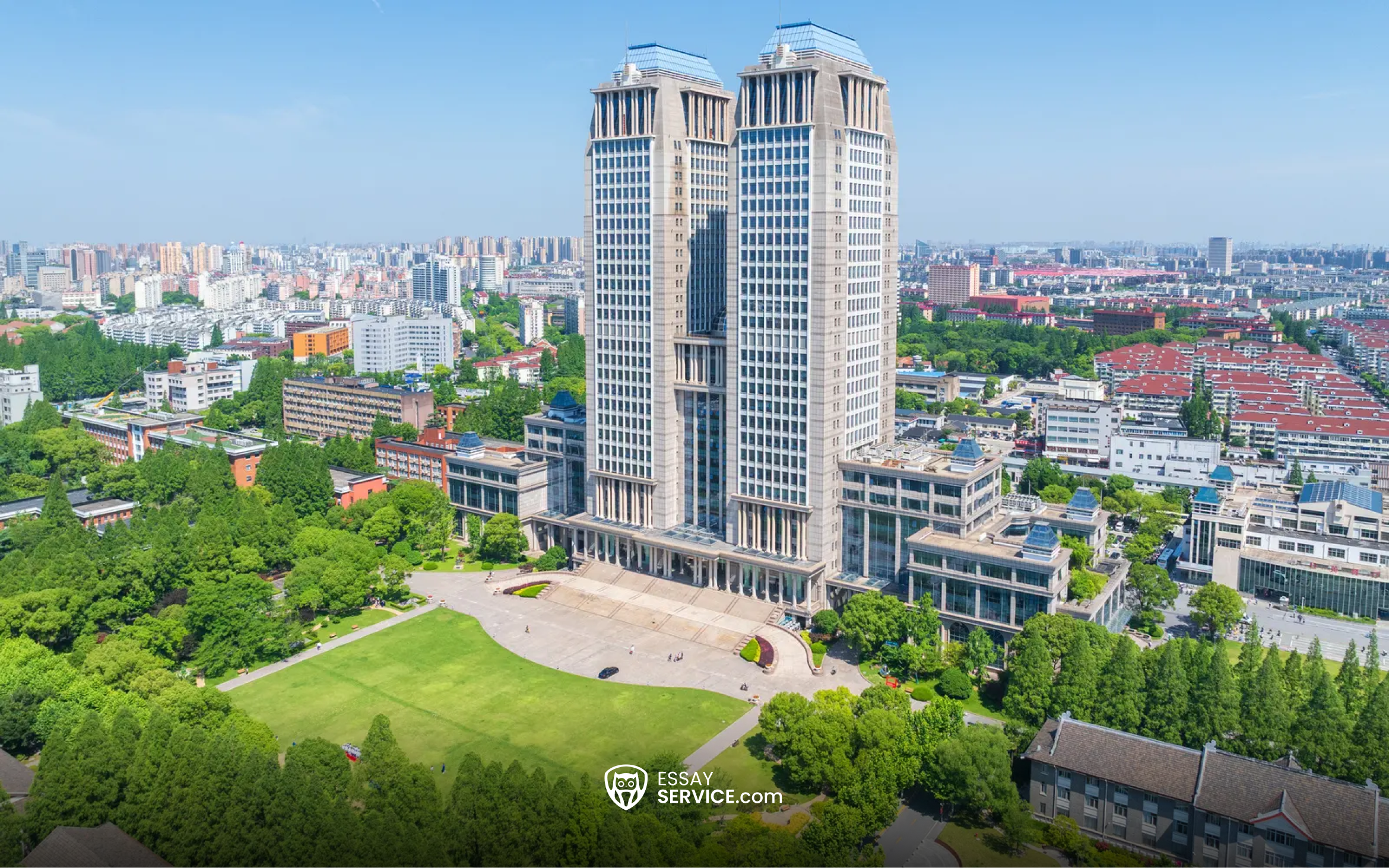
Location: Shanghai, China
Total students: 38,601
International student percentage: 10%
China has its own version of the Ivy League (dubbed C9 League), and Fudan University is part of it. Located in Shanghai, the business capital of China, the university’s strongest programs focus on business, economics, and medicine. That said, its humanities and social sciences programs are also among the best in the country.
Key strengths:
- State-of-the-art laboratories for biomedical research (e.g., State Key Laboratory of Genetics and Development of Complex Phenotypes)
- Strong focus on research, especially in genetics, clinical medicine, and atmospheric and oceanic sciences
- Part of multiple international university networks (e.g., U21, FLAUC)
8. Zhejiang University
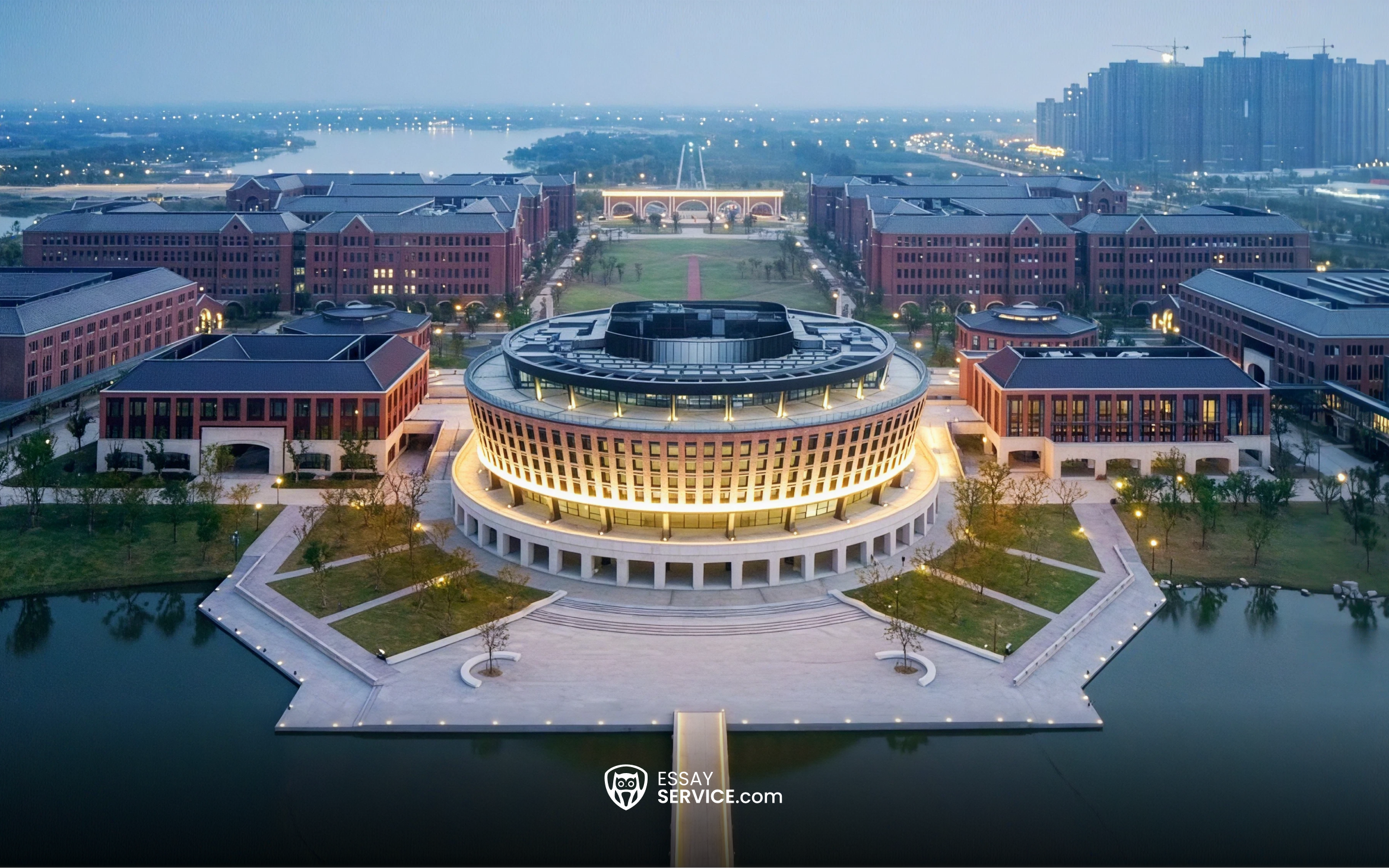
Location: Hangzhou, China
Total students: 54,313
International student percentage: 14%
Founded over a century ago, Zhejiang University’s seven campuses and over a dozen national key labs make it a powerhouse in innovation and entrepreneurship. That said, its English-taught programs are somewhat limited, mostly spanning master’s degrees in business and engineering.
Key strengths:
- Located in one of China’s most beautiful cities that’s also somewhat smaller than Beijing or Shanghai
- Top-of-the-chart master’s programs in business and engineering taught in English
- Strong focus on entrepreneurship and innovation on campus
9. Shanghai Jiao Tong University
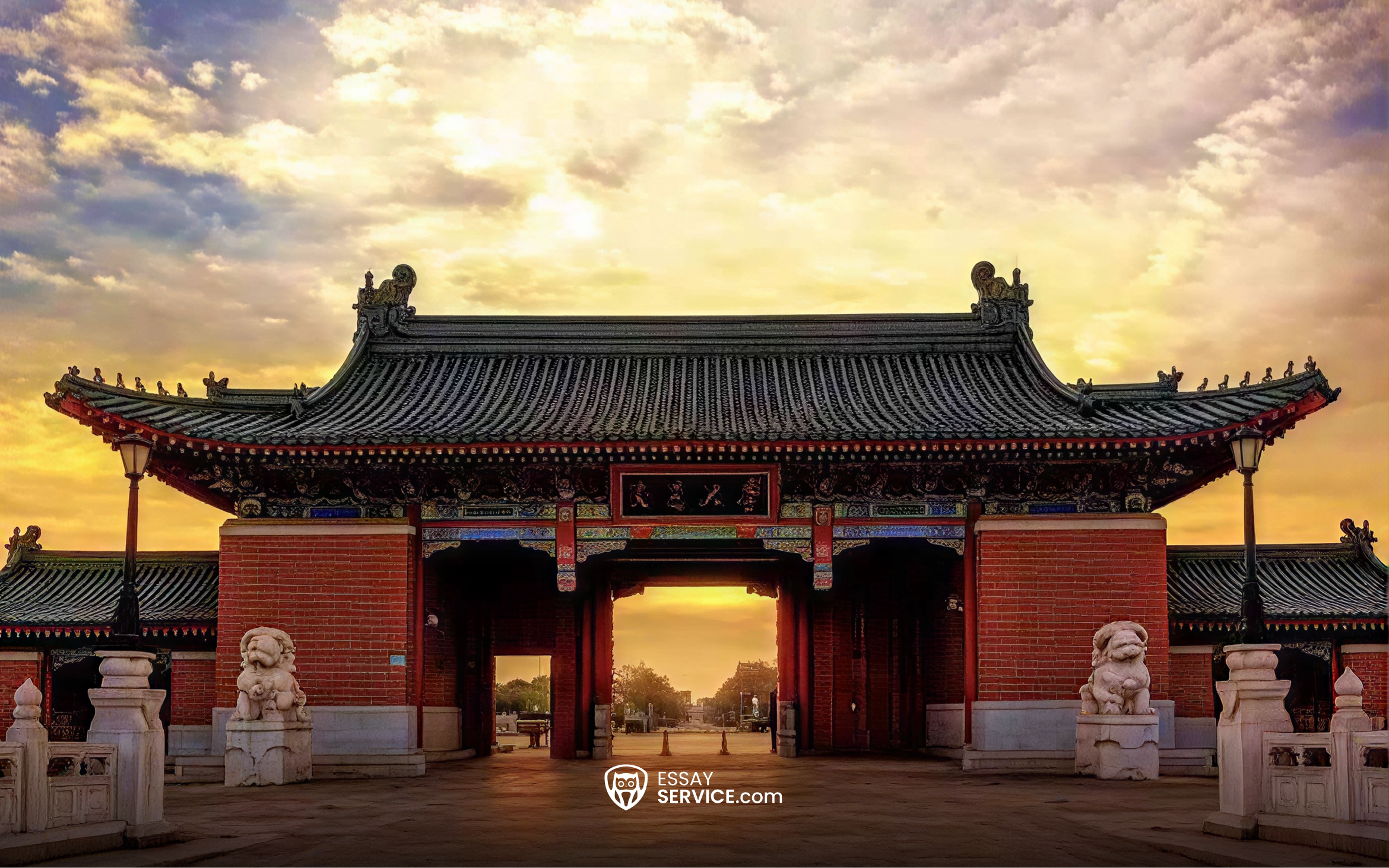
Location: Shanghai, China
Total students: 41,507
International student percentage: 11%
Fudan’s main rival in Shanghai, Shanghai Jiao Tong University and its 31 schools and departments dominate the charts in engineering, sustainable energy, and health sciences. In recent years, the university has expanded the range of its courses in English — and now even offers French-taught engineering undergraduate programs.
Key strengths:
- World-class engineering, sustainable energy, and health sciences undergraduate and graduate programs
- French-taught undergraduate engineering programs available
- China’s number one university by research funding and the number of national projects
10. The Chinese University of Hong Kong
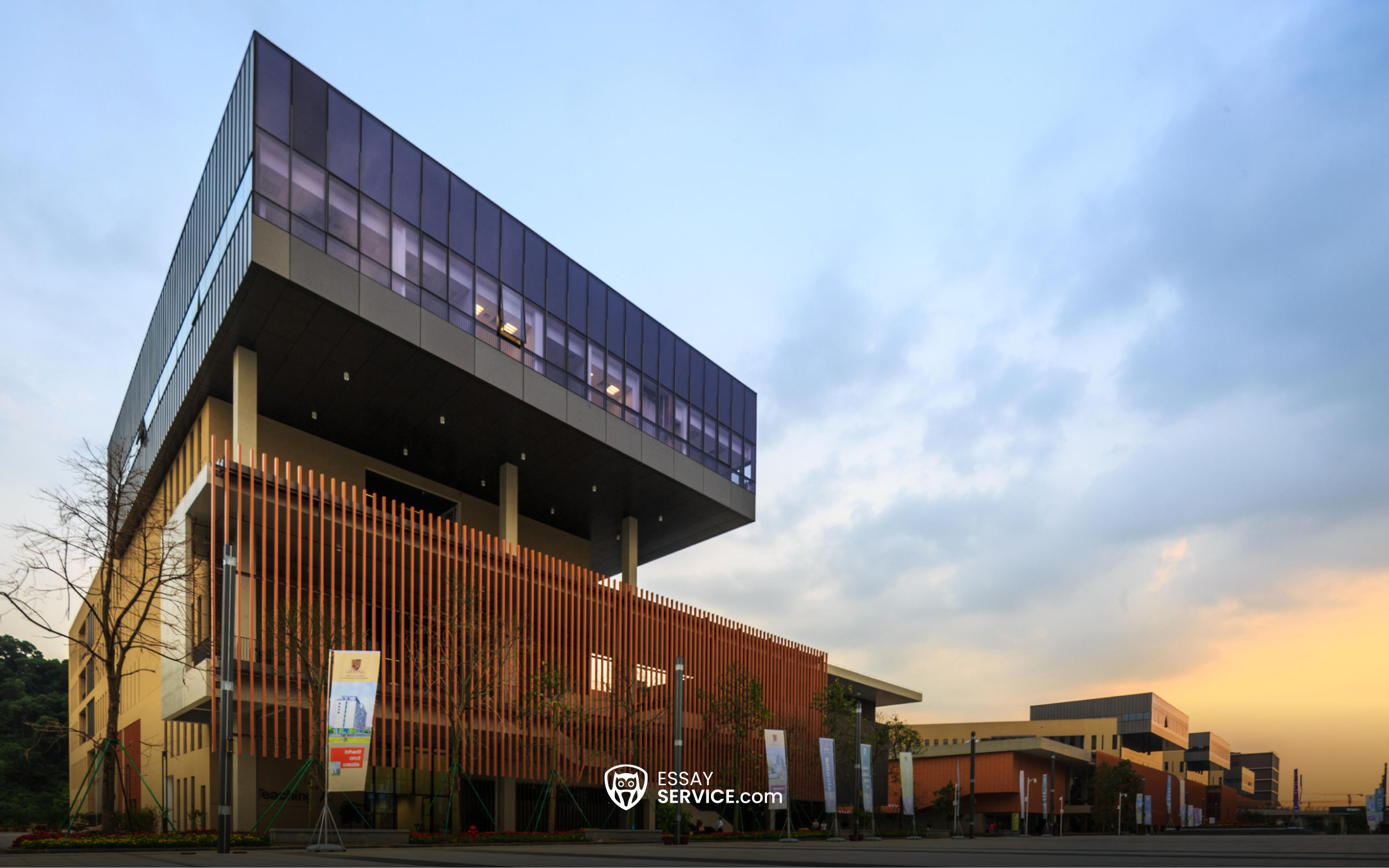
Location: Sha Tin, New Territories, Hong Kong
Total students: 18,461
International student percentage: 25%
A relatively young educational institution, the Chinese University of Hong Kong was founded in 1963 as a federation of three colleges. Today, it’s the only collegiate university in Hong Kong, comprised of nine colleges and eight faculties. Innovative biomedicine, environment and sustainability, and information and automation technology are its undeniable strengths, albeit it also ranks high in education studies.
Key strengths:
- Partnerships, research institutes, and satellites across the Greater Bay Area
- World’s top education programs
- Strong focus on research and innovation in biomedicine, information and automation technology, and environment and sustainability
10 Best Universities in Asia: Your Snapshot
Feeling a bit overwhelmed researching the top universities in Asia? Here’s your quick recap of our top 10:
In Closing
Here they are, the best of the best among the top universities in Asia. But before you jump into the application process, remember these are only the top 10 universities that made the cut. The continent is home to so many institutions with high-quality programs that listing them all would’ve been simply impossible.
So, take stock of your options beyond these 10 universities — and make sure to consider how good a fit they are for your budget, career aspirations, and location preferences. Good luck!
Got Questions?


Which countries have the highest-ranked universities in Asia?
Do Asian university rankings matter for international students?
Are degrees from Asian universities recognized internationally?
Can international students get scholarships in Asia?
.png)
Jaroslav specializes in helping students unlock their creative side and let it shine. Armed with his Bachelor’s degree in creative writing, he imparts his advice on making communication effective and engaging.