Some of the top nursing schools include Johns Hopkins, Duke University, University of Pennsylvania, and Emory University. You will find these schools at the top of most national rankings. The University of Rochester, Villanova University in Pennsylvania, and New York University are not far behind them. But ultimately, the best college depends on an applicant's individual needs, including the specific program and location.
This article presents a list of the 10 good colleges for nursing so you can make an informed decision. In the meantime, if you're struggling with your schoolwork and college applications, EssayService can help. You can always hand your writing tasks over to our professionals so you can focus on your future.


10 Best Nursing Colleges
This section lists universities with nursing programs that rank highest in the country. You’ll see what each school offers, how the training is structured, and what students can expect in terms of cost, selectivity, and learning environment.

Johns Hopkins University
Johns Hopkins holds its reputation as one of the best nursing programs in the US for a reason. The School of Nursing gives students constant exposure to real clinical problems and the teams that solve them. Clinical rotations take place throughout the Johns Hopkins Health System, where students work with high-acuity patients and see how experienced nurses handle complex situations.
Coursework is built around evidence-based practice, clinical precision, and leadership in modern healthcare settings. Students move between simulations, labs, and hospital units in a way that builds technical skill and clear clinical reasoning. Many also take part in research, since Hopkins faculty lead studies that influence national nursing standards. NCLEX pass rates remain consistently high, and clinical groups offer close, structured guidance. The direct-entry MSN pathway provides an intensive option for students with a previous degree who want to begin nursing at the graduate level.
.webp)
University of Pennsylvania
Penn Nursing stands out because students learn in two environments at once: an Ivy League research setting and a major hospital network. Classes build a strong scientific base, and the clinical work at Penn Medicine exposes students to what real patient care is from the start. The BSN program moves through anatomy, physiology, microbiology, assessment, and population health before students take on more complex rotations. Simulation labs fill the gap between classroom theory and hospital practice, and faculty often bring current research into their teaching.
Some students also join global health projects or policy-focused work, since public health and leadership are close to the center of the curriculum. This Bachelors in nursing is demanding but clear, and the support from clinical instructors helps students keep up with the pace. Admission is highly selective, yet students who enter usually find themselves growing quickly because the expectations match the resources available to them.
Duke University
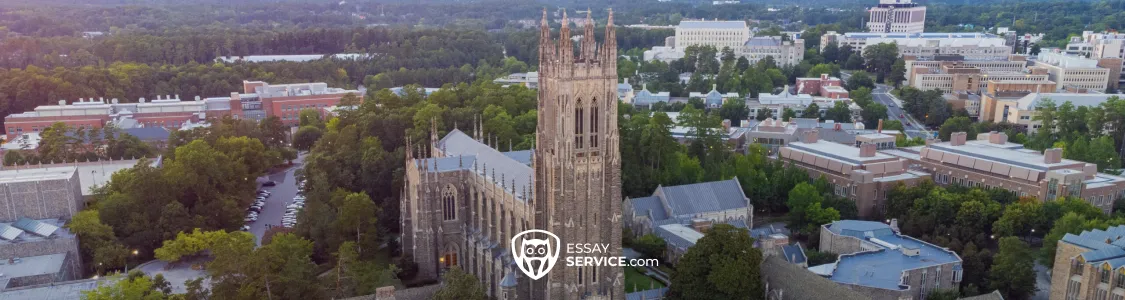
Duke’s School of Nursing combines strong research opportunities with clinical training that pushes students to work and think under pressure. Rotations take place across Duke University Health System hospitals and clinics, so students encounter everything from routine cases to patients who need faster and more complicated care. The curriculum begins with core science and assessment skills, then progresses to evidence-based practice, leadership, and population health. Simulation labs fill the gaps, giving students a place to make mistakes and learn before entering high-demand units.
Duke looks for applicants who already show strong academic preparation and a serious commitment to nursing. Faculty teach with that expectation in mind, offering close guidance in clinical settings and steady feedback as students develop more independence. The program moves quickly and accepts only well-prepared students, but those who adjust to the pace usually progress fast because the expectations and support match each other.

Emory University
Emory University provides one of the best nursing programs because it gives students access to clinical settings across Atlanta, and that shapes how they learn from the start. Rotations take place in major hospitals, community clinics, and public health agencies, each one showing a different part of the healthcare system. Simulation labs let students practice skills and decision-making in a safe but realistic setting. The curriculum gives them a strong scientific base and then progresses into population health, evidence-based practice, and leadership.
Community health work is built into the program, so students spend time working directly with local groups and public health partners. Emory also receives significant NIH funding, which creates research opportunities for undergraduates who want experience with real studies on health equity, chronic illness, or patient outcomes. This mix of clinical training, community work, and research access gives students strong opportunities for a well-rounded education.

Georgetown University
Georgetown’s nursing program builds its foundation with a strong focus on ethics and public responsibility. Students move through coursework in clinical science, health policy, and community health, and then they’re given an opportunity to apply those lessons in hospitals and clinics across Washington, DC. The rotation sites are varied, so students see how nursing choices affect individual patients and broader health trends. The curriculum emphasizes scientific preparation, population health, assessment, and leadership. Faculty often connect class discussions to national healthcare issues, as policy work happens just outside the campus.
Simulation labs give students room to develop judgment and technical skills before entering higher-pressure units. Both the BSN and graduate programs show strong licensure outcomes and solid job placement, which reinforces the school’s long-standing reputation. Students who choose Georgetown usually come for a program that mixes clinical training with policy awareness and a steady focus on the responsibilities nurses carry in real practice.
Villanova University
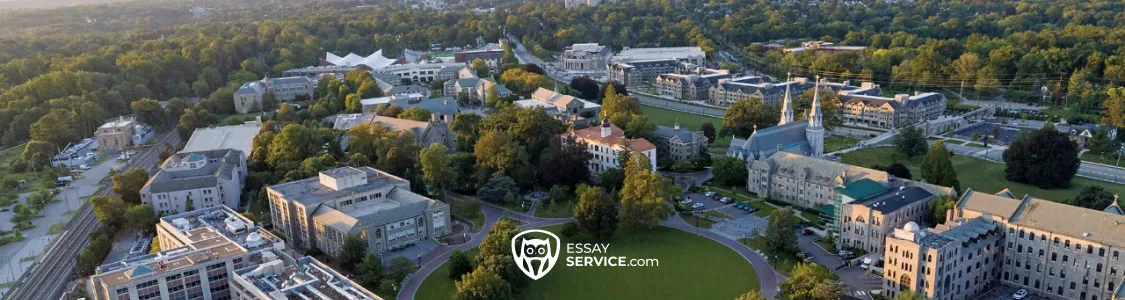
Villanova’s M. Louise Fitzpatrick College of Nursing focuses on solid clinical training, strong science courses, and consistent mentorship that supports students throughout the program. The BSN is the main option, but the school also offers accelerated and second-degree pathways for students who want a faster entry into nursing. Clinical hours take place in hospitals, community clinics, and simulation labs, giving students practical experience in different settings.
These placements help them learn how to work with a range of patient needs and situations. The college’s designation as a national Center of Excellence is also important, since it reflects proven teaching quality and reliable support for nursing students. Many applicants look at this recognition as a sign that Villanova provides a stable, well-structured program that prepares graduates for real clinical work.

University of Rochester
The University of Rochester School of Nursing relies on a research-focused model that shapes how students learn from the very start. The accelerated BSN and RN-to-BSN programs follow a curriculum built around problem-solving and clinical reasoning, and each course ties closely to real patient care. Students complete their clinical work through the University of Rochester Medical Center, which gives them access to experienced teams and a steady flow of practical cases.
Faculty members often include their own research into class discussions, so students can clearly see how evidence connects to everyday nursing decisions rather than treating research as a separate topic. The program’s structure is clear, and expectations stay consistent throughout the year. Many students choose Rochester because they want a straightforward environment where the academic work, clinical hours, and long-term goals line up without confusion.
University of Michigan
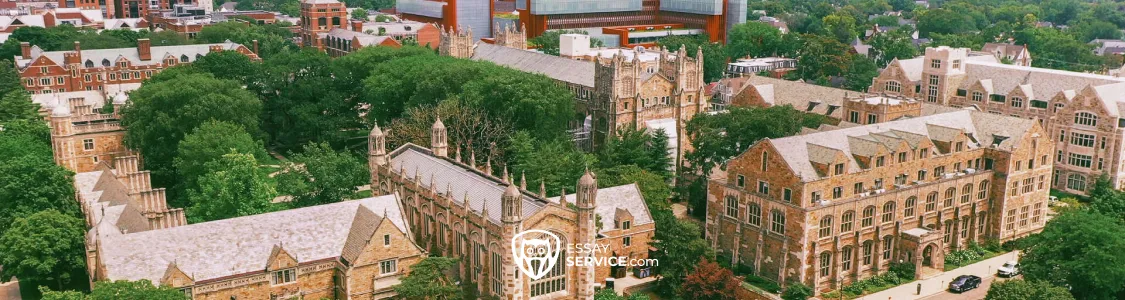
Michigan’s School of Nursing has more than a hundred years of experience behind it, and that history shows in how the program operates. Students move through coursework, simulation labs, and clinical rotations in large hospital systems across Ann Arbor and nearby areas. Each rotation exposes them to different units and patient needs, so they learn how nurses work within complex healthcare teams. Simulation labs give students space to practice skills and decision-making before they enter high-demand settings.
Michigan also brings research to the undergraduates earlier than many schools. Students can join faculty projects in population health, chronic disease management, or innovations in care delivery, which appeals to those who want academic depth alongside clinical training. The range of experience students gain at Michigan translates into flexible career paths, and graduates often move into roles across hospitals, community organizations, advanced practice programs, and leadership tracks.

New York University
NYU’s Rory Meyers College of Nursing places students in the middle of New York City’s massive healthcare system, and that location shapes nearly everything about the training. Clinical rotations take students into major hospitals and specialty centers across the city, where they work with a wide mix of patients and clinical needs. This exposure comes early and often, so students learn how to adjust their approach as situations change.
Classroom courses build the foundation for that work, covering science, assessment, population health, and evidence-based practice. Both the traditional BSN and the accelerated track expect students to develop strong clinical judgment and reliable performance, as hospitals where they train demand clear decision-making. Simulation labs provide practice before students enter high-intensity units. NYU attracts applicants who want a fast pace, strong academics, and clinical access that spans nearly every corner of modern healthcare.

University of North Carolina at Chapel Hill
UNC-Chapel Hill’s nursing school programs mix classroom learning with research access and clinical work across major healthcare systems in North Carolina. Students rotate through hospitals, outpatient clinics, and community sites, and each placement teaches them how to work accurately and stay steady in real patient situations. The curriculum begins with core science courses, then progresses to assessment, population health, and evidence-based practice, allowing students to connect their classroom learning to the clinical settings they observe.
Community health is not treated as an add-on, but is rather built into the program, so students understand how nursing supports people outside the hospital as well. UNC’s strong reputation as a public university gives the degree weight, and many students notice that the mix of clinical access, clear expectations, and research opportunities creates a straightforward path from training to professional practice.
If you’re applying, review these nursing philosophy examples in a separate article to clarify what schools look for in future nurses.
Tips on Choosing the Best Nursing College
A nursing program feels like the right fit when its training matches your goals and how you learn. When comparing good nursing colleges, you will often run into long lists and subjective opinions, so the only real help is getting enough information to make informed decisions. Here are some steps that genuinely help:
- Look closely at clinical placements. The site, schedule, and type of hospital or clinic have a major impact on the skills you build.
- Check NCLEX pass rates. Strong results usually show that the program prepares students well for real practice.
- Study the curriculum. Some schools emphasize research, while others center the program around clinical hours. Choose the setup that fits how you learn.
- Compare net price. Aid, grants, and fees can shift the actual cost more than expected.
- Check student-to-teacher ratio: This will affect how much direct help you can get when the workload increases.
- Review admission expectations early. GPA requirements, test scores, and prerequisites vary between programs.
- Visit or attend a virtual session. Seeing the labs and talking to current students gives you insight you won’t get from brochures.
If you’re aiming for top universities, take a look at these nursing scholarships that can help cover costs and open up great study opportunities.
Bringing Everything Together
A clear set of priorities makes the nursing college search easier. Strong clinical training matters, but so do cost, student support, and an environment that prepares you to handle real pressure. This guide puts those points side by side so you can compare schools without dealing with vague descriptions.
Once you enroll, the coursework is going to be demanding. If you ever need help with your written assignments, you can always rely on EssayService's nursing paper writing service so you can focus on helping people.
FAQs
What Is the Best College to Go to for Nursing?
What College Has the Best Nursing Program?
What Is the Average GPA for Nursing Schools?
Which Nursing Program Is the Most Competitive?
What's the Average Cost of a Nursing College?

Susan shapes the new generation of nursing professionals as a professor. Her medical degree and teaching experience make for a wealth of advice on researching and writing complex papers.
- Johns Hopkins University. (2014). Home. Johns Hopkins University; Johns Hopkins University. https://www.jhu.edu/
- University of Pennsylvania . (2008). Home | University of Pennsylvania. https://www.upenn.edu/
- Duke University. (2022). Duke University. https://duke.edu/
- Emory University. (2021). Home | Emory University | Atlanta GA. https://www.emory.edu/home/index.html
- Georgetown University. (2019). Welcome Home! https://www.georgetown.edu/
- University | Villanova University. (2019). https://www1.villanova.edu/university.html
- University of Rochester. (2019). https://www.rochester.edu/
- University of Michigan. (2023). https://umich.edu/
- Communications, N. W. (2023). NYU. https://www.nyu.edu/
- The University of North Carolina at Chapel Hill. (2019, February 13). The University of North Carolina at Chapel Hill. https://www.unc.edu/
- Satyajeet. (2018). How To Select The Best Nursing College? https://www.phoenixnursinginstitute.org/. https://www.phoenixnursinginstitute.org/blog/how-to-select-the-best-nursing-college